
Our Services
Comprehensive eye care under one roof. From routine examinations to specialist clinical services, our experienced team is here to look after your vision.
Eye Examinations
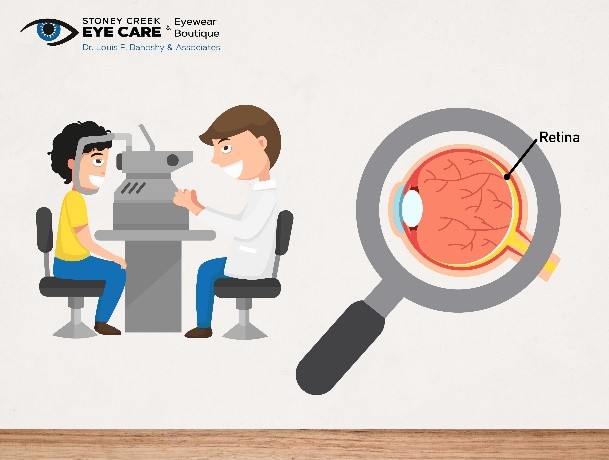
A thorough eye examination is the foundation of good eye health. Our optometrists use the latest diagnostic equipment to assess your vision, check the health of your eyes, and detect any early signs of eye disease.
We offer both NHS-funded and private eye tests. NHS eye tests are available to eligible patients, including those under 16, over 60, with diabetes, or with a family history of glaucoma. Private eye tests include additional checks and a more in-depth consultation.
We recommend an eye test every two years for most adults, or more frequently if advised by your optometrist.
What to Expect
- History and symptoms review
- Visual acuity assessment
- Refraction (prescription check)
- Intraocular pressure measurement
- External and internal eye examination
- Visual field screening
- Retinal photography (where appropriate)
- Discussion of results and recommendations
OCT Scanning
Optical Coherence Tomography (OCT) is a non-invasive imaging technique that produces detailed 3D cross-sectional images of the retina and optic nerve head. Think of it as an ultrasound scan for your eyes, but using light instead of sound.
OCT scanning can detect conditions such as glaucoma, age-related macular degeneration, and diabetic retinopathy at a very early stage — often before you notice any symptoms. Early detection means earlier treatment and better outcomes.
We recommend OCT scanning as part of your routine eye examination, particularly if you are over 40 or have a family history of eye disease.
Contact Lenses
Whether you are new to contact lenses or an experienced wearer, our team provides expert fitting and ongoing aftercare. We work with all major contact lens manufacturers to find the best lens for your prescription, lifestyle, and comfort.
We use the LOOK–SEE–FEEL protocol to ensure every fit is optimised: checking the lens position (LOOK), assessing vision clarity (SEE), and confirming comfort (FEEL).
Lens Types We Fit
- Daily disposable lenses
- Monthly and two-weekly lenses
- Toric lenses for astigmatism
- Multifocal and varifocal contact lenses
- Gas permeable (RGP) lenses
Aftercare
Regular aftercare appointments are essential for contact lens wearers. We check the health of your eyes, the condition of your lenses, and make any necessary adjustments to ensure your continued comfort and safety.
Emergency Eye Care (MECS)
Our Minor Eye Conditions Service (MECS) provides urgent and emergency eye care for patients with sudden or recent eye problems. This NHS-funded service means you can be seen quickly at our practice, without needing a GP referral or visiting hospital A&E.
Conditions We Can Help With
- Red or painful eyes
- Sudden changes in vision
- Flashes and floaters
- Foreign body sensation
- Watery or dry eyes
- Eyelid problems (lumps, bumps, swelling)
- Recent onset of double vision
If you are experiencing a sudden eye problem, please call us on 01277 212978 and we will arrange an urgent appointment.
Important: If you experience sudden loss of vision, a chemical injury to the eye, or a penetrating eye injury, please attend your nearest A&E department immediately.
Low Vision Aids
Our director, Sara Porter FBDO (Hons) AD (Hons) LVA, is a qualified low vision specialist. She provides comprehensive low vision assessments and can prescribe a range of aids and devices to help you make the most of your remaining vision.
Low vision services are available both privately at our Shenfield practice and through NHS clinics at Orsett and Southend hospitals.
Low Vision Aids Include
- Hand-held and stand magnifiers
- Illuminated magnifiers
- Spectacle-mounted magnifiers
- Task-specific lighting solutions
- Advice on daily living aids
Low vision can result from conditions such as macular degeneration, diabetic retinopathy, glaucoma, or stroke. Even when a condition cannot be cured, low vision aids can significantly improve your quality of life and independence.
Glaucoma & Diabetic Screening
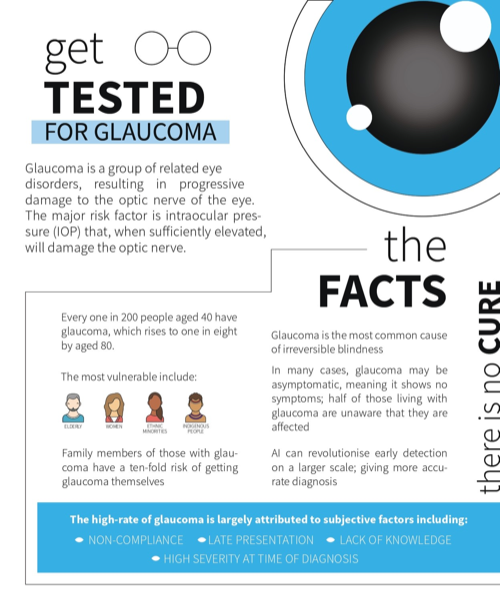
Glaucoma affects over 700,000 people in England and Wales, and around half are undiagnosed because the condition is often symptomless in its early stages. Early detection through regular screening is critical to preserving your sight.
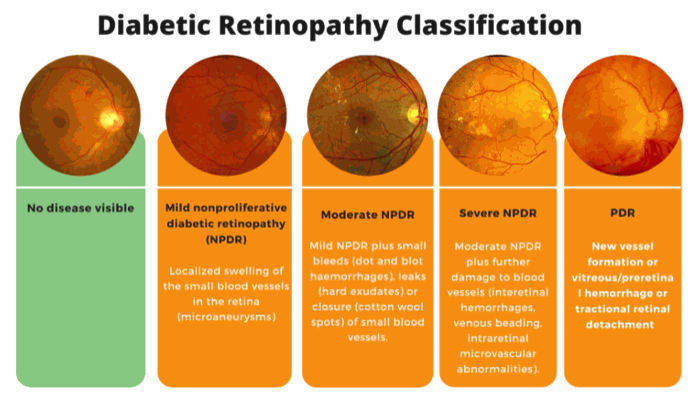
Our screening includes intraocular pressure measurement, visual field testing, and OCT imaging of the optic nerve head. For patients with diabetes, we also perform detailed retinal examination to detect diabetic retinopathy.
Frequently Asked Questions
How often should I have an eye test?
We recommend an eye test every two years for most adults, or annually if you are over 60, have diabetes, a family history of glaucoma, or wear contact lenses. Children should be tested annually.
Am I eligible for a free NHS eye test?
You may be eligible for a free NHS eye test if you are under 16, under 19 and in full-time education, over 60, diagnosed with diabetes or glaucoma, at risk of glaucoma, on certain benefits, or registered blind or partially sighted.
What is OCT scanning?
Optical Coherence Tomography (OCT) is an advanced imaging technique that produces detailed 3D cross-sections of the retina and optic nerve. It enables early detection of conditions such as glaucoma, macular degeneration, and diabetic eye disease, often before symptoms appear.
What is the Minor Eye Conditions Service (MECS)?
MECS is an NHS-funded service for patients with sudden or recent eye problems such as red eyes, flashes and floaters, or foreign body sensation. It provides same-day or next-day appointments, reducing the need for hospital A&E or GP visits.
Do you offer home visits?
Yes, we offer domiciliary (home visit) eye care for patients who are unable to attend the practice due to physical or mental health conditions. Please call us on 01277 212978 to arrange a home visit.
Book Your Appointment
Whether you need a routine eye test or specialist clinical advice, our experienced team is here to help.